
[su_tabs][su_tab title=”About”]
[/su_tab][su_tab title=”News”]

[/su_tab][su_tab title=”Regional Profile”]
| Ilocos Norte |
Marcos Museum
Batac Parish
San Nicolas Church
Sinking Belltower, Laoag City
Paoay Lake
Fort Ilocandia Hotel
Paoay Golf Course
Paoay Church
Laoag Cathedral
Aglipay Shrine
Malacanang Of The North
Patapat Bridge
Gilbert Bridge
Ilocos Norte Capitol
Cape Bojeador Lighthouse
Bangui Windmills
Ilocos Norte Museum
Juan Luna Shrine
Ricarte Park and Shrine
Badoc Church
Sarrat Church
Dap-ayan, Laoag, Ilocos Norte Food Court and Ilocos Norte Products
La Paz Sandunes, Laoag, Ilocos Norte Fine Sandunes
|
| Ilocos Sur |
Vigan Spanish House
Sinait Church
Ilocos Sur Capitol
Santa Maria Church
Pinsal Falls
|
| La Union |
La Union Capitol
Pindangan Ruins
La Union Botanical Garden
Wallace Air Station
Thunderbird Resort and Casino
La Union Surfing Capital (San Juan)
Bauang Beach
|
| Pangasinan |
Hundred Islands
Pangasinan Capitol
The Shrine of Our Lady of Manaoag
San Carlos City Plaza
San Juan River in San Carlos City
Bonuan Blue Beach in Dagupan City
Antong Falls
Cacupangan Cave
Mount Balungao
Manleluag Spring National Park
Sanctuario de Senor Divino Tesoro
Salasa Church
Lingayen Gulf War Museum
Bolinao Museum
Oceanographic Marine Laboratory
Red Arrow Marker of the WWII 32nd US Infantry Division
Rock Garden Resort
Umbrella Rocks
Urduja House
St. John Cathedral Garden
Caves in Bolinao
Boat ride in Pantal River
Provincial Capitol
Narciso Ramos Sports and Civic Center
Hundred Islands Marine Sanctuary
Tondol Beach
Tambobong White Beach
|
INDUSTRIAL PROFILE
[/su_tab][su_tab title=”MSMEs Success Stories”]
[su_accordion][su_spoiler title=”Women Empowerment through SSF”]
So much of the “this is a man’s world” mentality, a group of women entrepreneurs from Binmaley, Pangasinan proved that women’s entrepreneurial skills should never be underestimated. In seek of a better source of income, 15 women entrepreneurs grouped themselves, pioneered the Binmaley Rural Improvement Club (BRIC) in 1989 and started with their home-based processed bangus production.
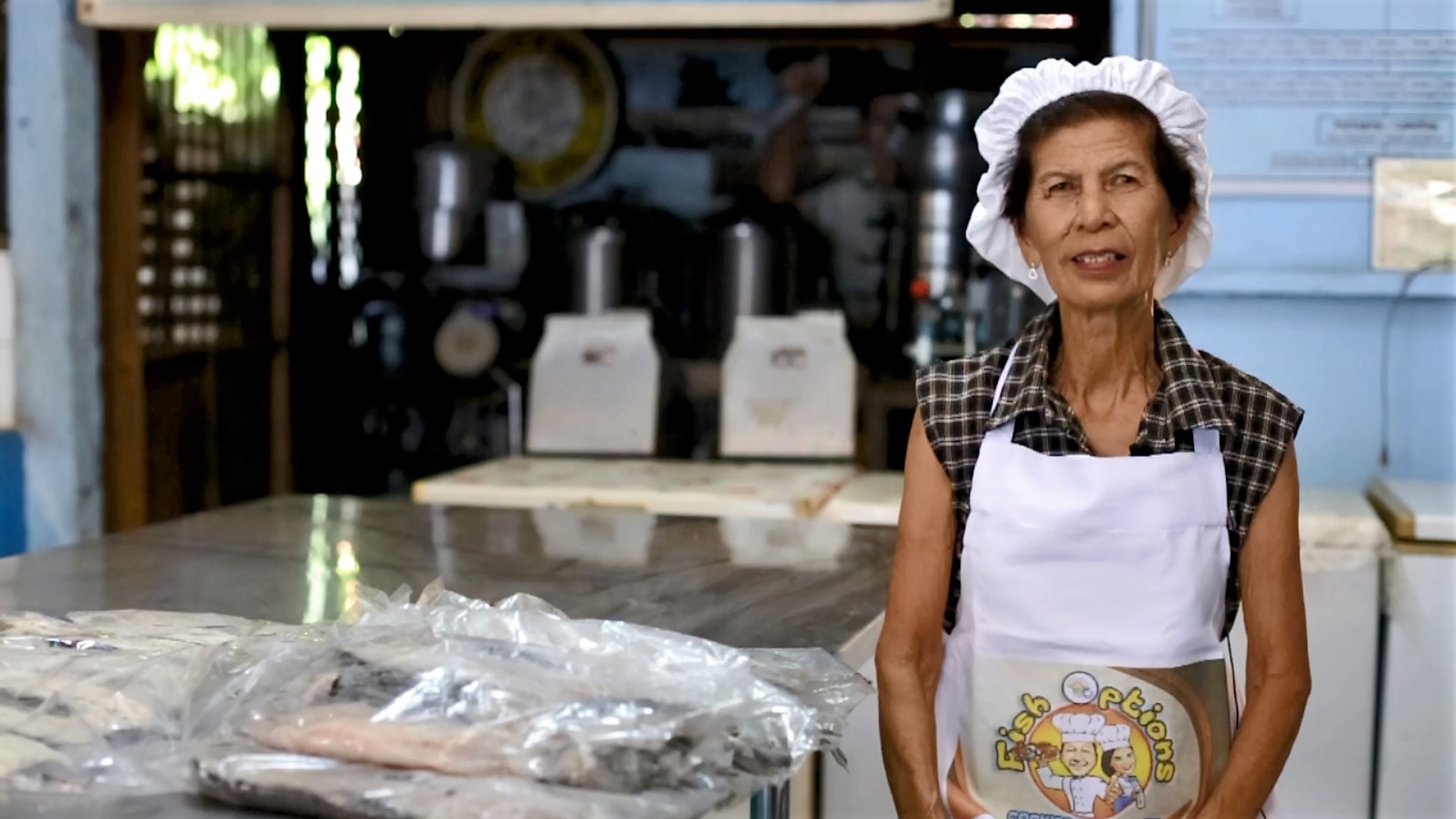
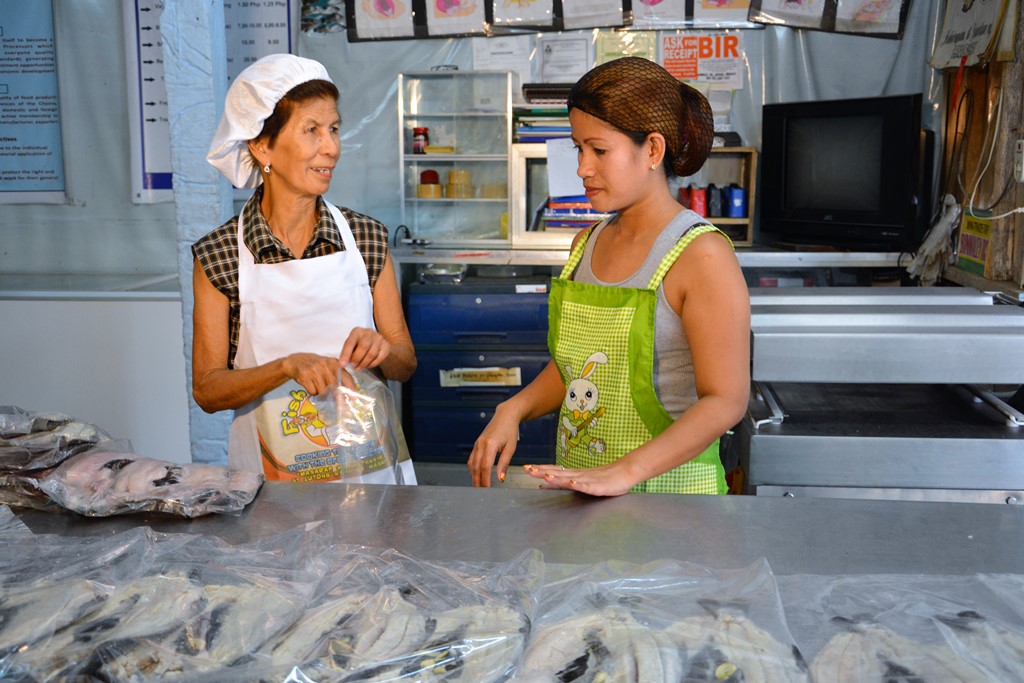
At the age of 77, Milagros Buenafe or fondly called Nanay Mila is the President of BRIC. She recalled how they started as a small cooperative now turned into a successful 85-member cooperative. BRIC members who are all housewives used to spend their days unproductively playing binggo and game cards. Nanay Mila persuaded them to join in BRIC. The cooperative opened its doors to new business opportunities and women economic empowerment, thereby converted their idle time into a fruitful and productive level.
Although knowledgeable about the basics of bangus processing, Nanay Mila admitted that they still have lots of things to be learned. Challenged to improve their products, she started attending trainings and seminars on food processing production conducted by different government agencies including DTI. Skills learned were then re-echoed to members.
Amidst the limited amount used for capitalization, the group started making marinated deboned bangus and smoked fish locally known as tinapa and peddled it to their friends and neighbors.
Seeing the group’s interest and eagerness in pursuing their vision to help alleviate the living condition of their members and families, DTI-Pangasinan Provincial Office through the provision of Shared Service Facilities Project (SSF) gave BRIC almost a million worth of of Bangus Processing facilities. These were food grade stainless steel smoking house, stainless tables, double chamber vacuum packaging machine, 22 cu ft. chest type freezer, 51 liter capacity Industrial Pressure Cooker and other tools that helped them in their production.
With DTI’s intervention in providing the much sought facilities under the SSF Program, BRIC increased their monthly average production capacity from 3,000 kilos to 10,000 kilos of fresh bangus processed into an array of assorted products in a vacuum packed. The quality of their products also improved, aside from their best seller deboned and smoked bangus, variety of other bangus products like bangus relleno, tocino, nuggets, siomai, longanisa, shanghai are now available. More so, their market widened due to the used of vacuum packed packaging that prolongs the shelf life of the products. BRIC bangus products are now reaching NCR, Zambales, La Union, Cagayan, Baguio City, Laguna, Bicol Region and even abroad as pasalubong.
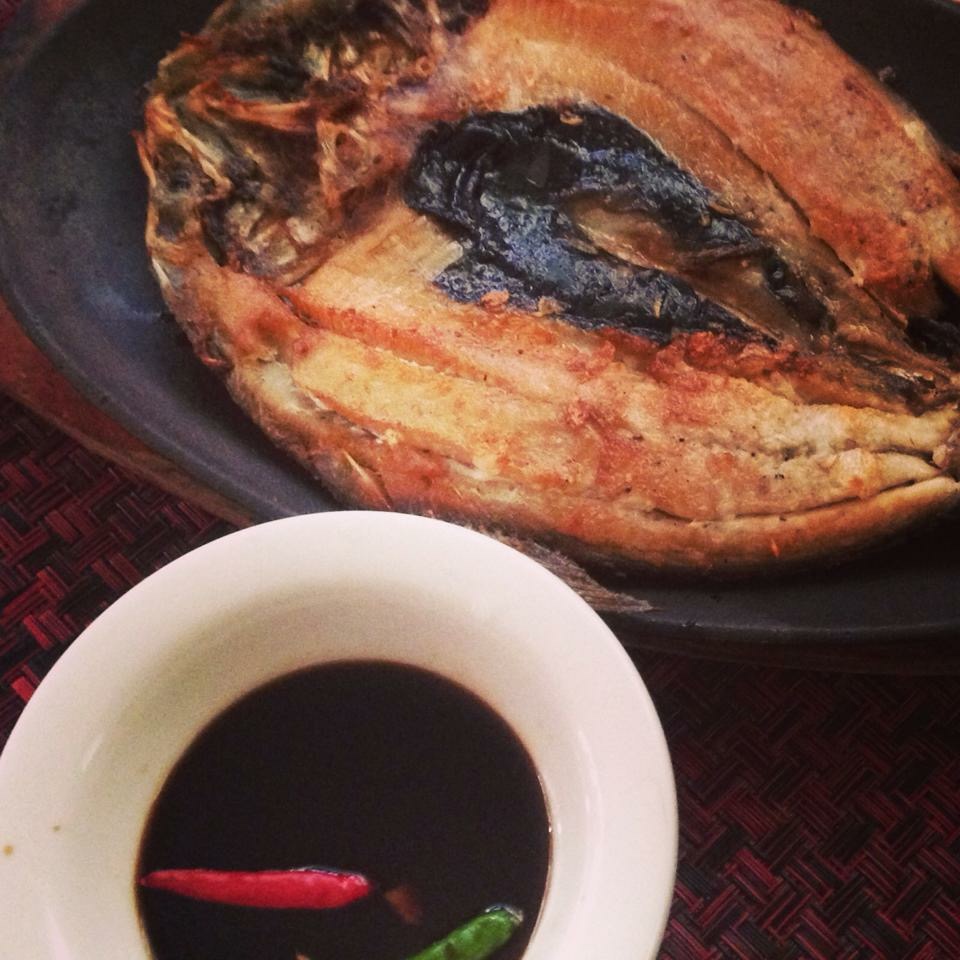
With the provision of SSF, BRIC is now selling a monthly average of PhP80,000.00 worth of processed bangus products, higher compared to PHP50,000 sales before SSF was introduced.
“DTI improved the lives not only of women entrepreneurs but our families as well. DTI helped us how to start, they gave us trainings on work values, ethics, entrepreneurship, book keeping, accounting even on food pricing and costing, labelling and food safety. The facilities we have always wanted to have, we received through DTI’s SSF Project.” Nanay Mila testified.
Noteworthy of the impact of the BRIC bangus processing project is that it helped alleviate the economic condition of their members through increased on income and employment generation. Likewise, the barangay and its municipality itself benefited from the BRIC Bangus Processing Project through revenues and taxes out of the income generated by the group including the promotion of Municipality of Binmaley as the home of “BRIC Processed Bangus.”
[/su_spoiler][su_spoiler title=”Ilocos Norte’s White Gold”]
Garlic is a high value commercial crop or cash crop that farmers in Ilocos Norte plant during the month of November. Its pungency gains inevitable preference among the consumers. Ten years ago, San Nicolas had an area of 400 hectares devoted to garlic production but due to the increase in production costs and gradual decline in the market price per kilogram, the garlic farmers shifted to other crops. It was in November 4, 2009 that the Department of Agriculture (DA) and the Local Government Unit (LGU) initiated a joint project on Garlic Technology Commercialization.
The garlic growers organized themselves into an association called the San Nicolas Bawang Association (SNBA) with 39 members from the garlic growing barangays of the municipality. Efforts to revive the garlic industry were undertaken.
In support of the garlic industry, DTI helped in the facilitating of activities and MSME development programs for the association. Several trainings on production, labeling, packaging and product improvements were conducted. The innovative features and processes done were revival of land areas for garlic planting, optimum utilization of small sized garlic and processed food product development.
The processed products have gained wayward popularity locally and abroad making San Nicolas as a haven of healthful products. An array of processed products of the association includes: garlic polvoron, noodles, pickles, flakes, garlic miki, canton and crispy garlic chips (gipang). To maximize the available raw materials and ingredients, they also created new products, one is the crispy garlic chips with malunggay and squash that instantly clicked in the market. Local and national trade fairs participation were of great help to boost not only their income but also their contact to other retailing companies.
As processing progressed and market demand widened, DTI and other national agencies also provided SNBA tools and machineries for production.
With all these developments in the garlic industry, members have already established a strong foundation. Market selling price of garlic jacked up enabling them to sustain a regular source of income.
Truly, the Ilocos white gold has regain its shine and luster. The joint efforts of the farmers, DTI and other government agency played a tremendous role in the realization of the objectives of the SNBA.
[/su_spoiler][su_spoiler title=”The Art of Abel Paoay Weaving”]
“Abel Paoay” prepared by our hands, inspired by our hearts
– crafted and painstakingly developed through the years
Handed down from generation to generation, the art of Inabel Weaving is a golden thread entwined in the Ilocano culture. Manually woven through a wooden loom, an abel fabric is made up of pure creativity, imagination, positivity, respect, discipline and keenness.
The municipality of Paoay, Ilocos Norte is considered as the loom weaving center of the province. In Barangay Nagbacalan, most of the residents have loom weaving equipment in their homes. Back in the olden days, Inabel weavers or locally known as Agagabel operate individually, hardly able to buy their own raw thread materials and making do of the only color and type of thread available in the local suppliers. Marketing of their products was also a struggle for they did not know how to properly identify the costing and pricing of their products.
However, as fate may call it, one strong willed Agagabel lady, Charito Cariaga, led the challenge to bare the genuine Ilocano artistry. In 1992, the Nagbacalan Loomweavers Association (NLA) was established. A year after, through the encouragement of DTI and the Mariano Marcos State University (MMSU), the association was converted into a cooperative and was registered to the Cooperative Development Authority.
Through a soft loan from the Cooperative Bank of Ilocos Norte (CBIN), grant from Provincial Government of Ilocos Norte and a financial assistance given by DTI, the cooperative operated in full bloom thereby bigger opportunities paved way for the association. Their first big project was when Department of Education Ilocos Norte commissioned them to make uniforms. This was also the time when NLA was able to establish an account with the Manila Coats Bay, a major supplier of textile materials. Direct transaction with Manila Coats Bay was a liberating experience for the weavers and the cooperative, aside from they can buy their raw materials at a cheaper price, wide arrays of colored thread were also made available for their use.
Nothing can stop the feat that Abel Paoay has been gaining as it became the most sought abel producer in the province. They gained their much needed exposure in the market outside the province when the DTI-CITEM through a British Consultant brought their products to Manila to be showcased at a special setting booth. The continuous increase in orders outside the region and the country is also a product of the cooperative’s participation to various provincial and national trade fairs organized and facilitated by the DTI.
The cooperative’s journey from their humble beginning in 1992 with 13 members and a start-up capital of only Php5,200.00 has gone a long way as they can now be considered the icon in the “abel” industry. Today, the cooperative has 30 active members, benefitting also other weaving communities in adjacent barangays with an asset size of approximately P3M, and an average annual sales of P1M, catering to the local and international markets including local and foreign celebrities, couturiers and interior designers. All these became possible with the assistance provided to the cooperative by DTI including the provision of upgraded loom weaving facilities through the SSF Program; provision of trainings to enhance the skills, product, productivity and entrepreneurial capabilities of the cooperative members through the SMERA and Industry Cluster Programs and market development assistance.
Traditionally used for blankets, pillowcases, table runner, bags and other garments, the abel Paoay is one of the exceptional Ilocano crafts that showcase not only of the Agagabel’s knack in weaving but also the greatness of Ilocano culture and tradition.
[/su_spoiler][su_spoiler title=”Veggie Noodles: Crisscrossing Its Way to Success”]
Travelling to the historic town of Gregorio Del Pilar is a grueling trip because one has to crisscross the Buaya River for about thirteen times and traverse the rugged terrain on the slopes of Mt. Kintangog to reach the town. While travelling through the backbreaking roads, the Mt. Tirad Pass is in full view and one can travel back to 1899 during the historic Battle of Tirad Pass. The town is endowed with abundant natural resources but these agricultural products are sometimes left to rot or fed to animals because farmers find it difficult to transport their products to other municipalities.
In 2005, the local government unit of G. del Pilar identified ginger as their One Town One Product (OTOP). To implement the OTOP Program, the DTI conducted Skills Training on Ginger Processing, provided new packaging and labelling materials and assisted in the marketing of their products. This jumpstarted their zest in processing other agricultural products abundant in the locality. In 2011, the DTI introduced the Veggie Noodle Project by conducting Basic and Skills Upgrading Trainings on Veggie Noodle Processing and provided packaging and labelling materials for the veggie noodles and chips. The Tirad Pass Food Processors Association (TPFPA) was then organized to undertake the project. “The Veggie Noodle Project has changed our lives” said Ms. Dolores Matuque, president of the TFPA because we generated additional income and employment for this women-managed association. We were able to participate in local fairs and in the National Food Fair 2013 at the SM Megamall, Mandaluyong City. We have gained more markets because consumers are buying healthy food.
In early 2014, the TFPA was identified as co-operator for the Shared Service Facility (SSF) for a bakery project. According to the association, this project has a great potential to succeed because there is only one bakery in the town and it is located in the far-flung barangay of Concepcion. On November 28, 2014, this dream was finally attained when the DTI formally turned over the SSF equipment for their bakery project. To date, the association processes pandesal three times a day and producing 25 kilos of pandesal. They have generated 21 new employment with the various income generating projects of the association.
“But things do not stop here” said Ms. Matuque. “No matter how difficult it is to travel to our place, it will not deter us from striving to gain wider market and diversify into more product lines to become a truly successful association. We would like to set an example to our fellow women association existing in the province of Ilocos Sur.” She added.
[/su_spoiler][su_spoiler title=”Molding the Modern Art of Damili”]
Showcasing exceptional craftsmanship, the art of pottery is a living legacy of Filipino’s rich heritage and culture. Locally known as “Damili” the pottery industry is the major source of livelihood of the “Mannamilis” of Barangay Taboc, San Juan, La Union.,
Clay pots, jars, stoves, and gangis (little clay tub) are some of their conventional pottery products. The red-clay jars and pots may look classic and traditional for some, but for Dozen Baduyen, there is more to these fragile and exquisite handicrafts.
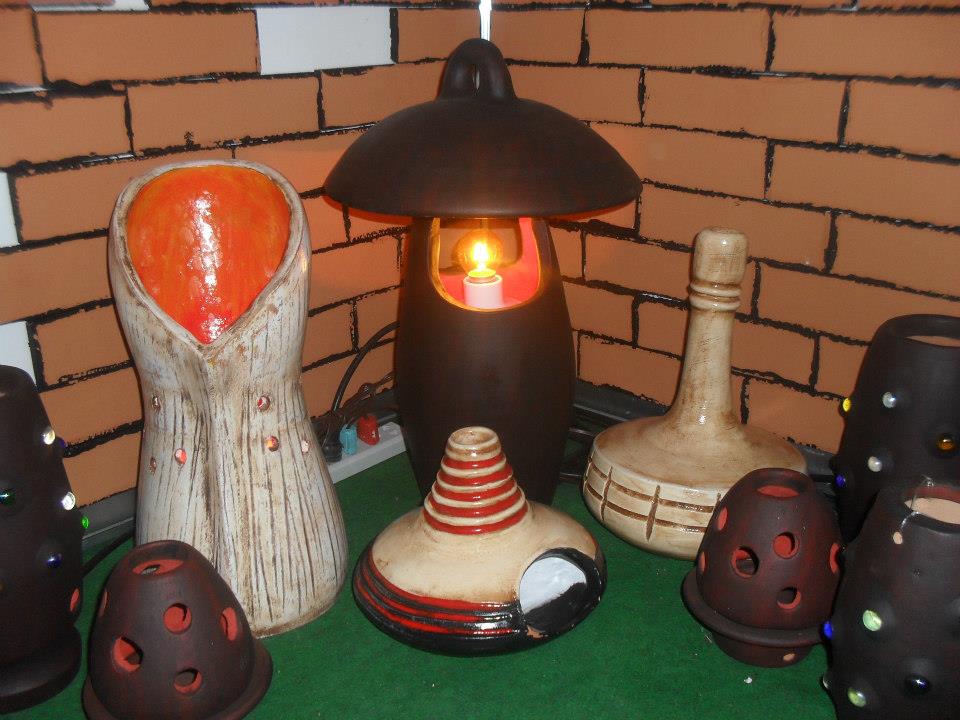
The twist of fate from regular office worker to entrepreneur happened to Dozen in 2001. He had to quit his job in Manila to go home to San Juan, La Union and look after his sick mother. Given with no other choice, he continued the struggling buy and sell pottery business of his mother. Amidst the limited knowledge he had about the industry, it was a challenge he took.
It was a rough trail for Dozen especially when he had to adjust and endure financial woes, but giving up was never an option. Passionate and inspired to improve his product and market, an idea of creating decorative jars came to his mind.
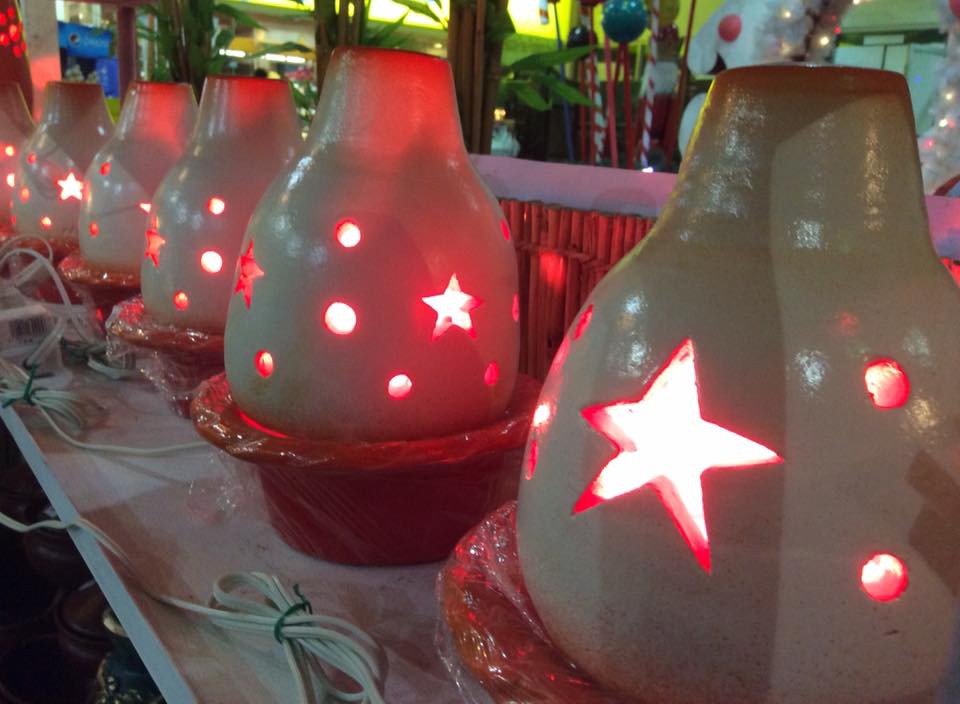
The regular red-clay jars were given new-look and variations. Well-designed pottery products like hanging lamps, candle holder, oil burner, table lamps and some of his creations painted with colorful designs were eye candies. In 2005, he formally started the Red Clay Pottery Craft, his very own line of creative pots and jars business.
Dozen realized that to maximize the potential of his business, he needed to showcase his products. After visiting DTI Region 1’s Rimat ti Amianan Trade Fair, he saw the advantage of Trade Fair exhibits as an excellent opportunity to sell his products to several markets that could boost his income. Thus, he seek the assistance of DTI La Union on how to join Trade Fairs.
Since then, local and national trade fairs staged Dozen’s products. It was also during a trade fair when a big Product Manufacturing Company noticed his pottery products.
Much to his pride and delight, this company helped him in bringing his products to Europe, New York and Middle East.
Driven to improve his entrepreneurial and technical-know-hows, he also participated in trainings and seminars for MSME development provided by DTI.
“I have this valuable relationship with DTI. They changed my perception of what ‘Government Service’ is all about. DTI is a working agency and their employees have the sincere desire to help entrepreneurs like me,” he added.
In addition to his collection of contemporary products, Dozen also established the Red Clay Pagdamilian, a place where tourists can see and engage themselves in the actual pottery making.
Inspired by the help of DTI, Dozen wanted to share DTI’s assistance and committed to help other Mannamilis in their area. He bridged their association, Taboc Mannamili Association (TMA), to DTI’s programs and services.
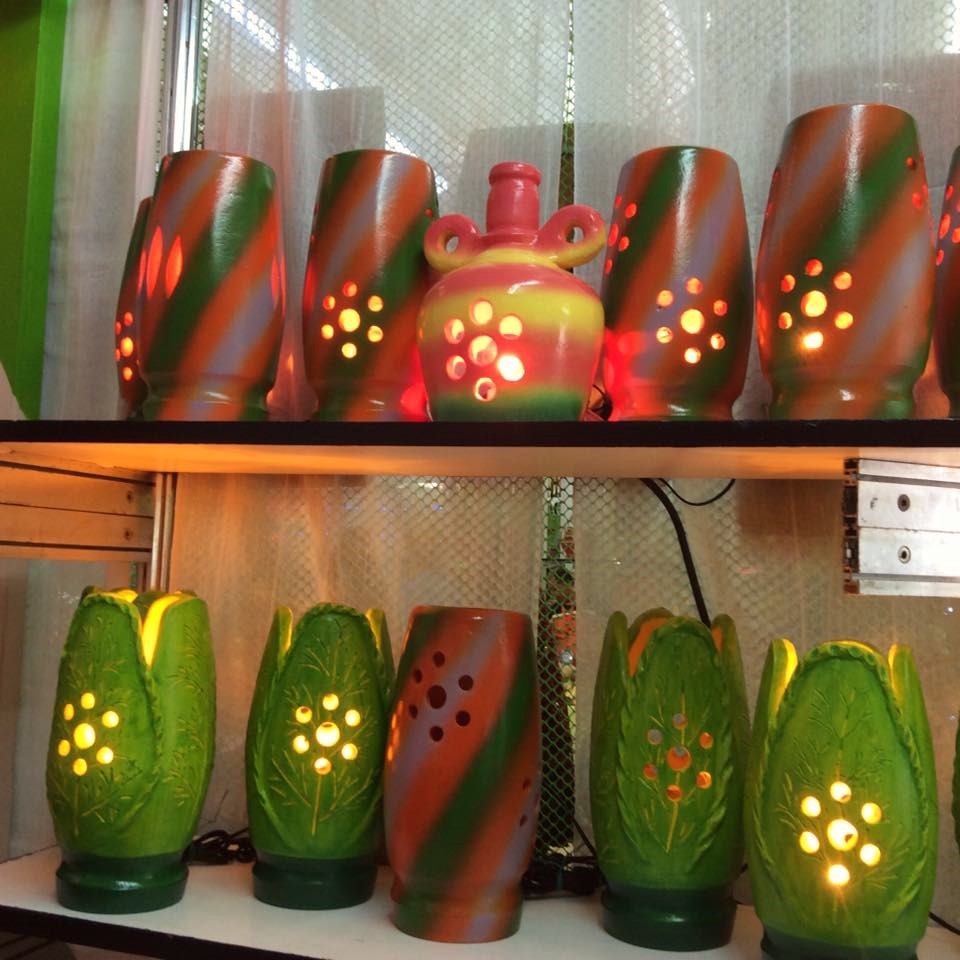
The traditional and manual process of pottery making requires a lot of rigid labor, thus, slowing down their production especially during rainy seasons. Determined to revitalize the pottery industry, TMA seek the support of DTI through the Shared Service Facilty Project. Tools and equipment were provided to upgrade their pottery production, address the increasing consumer demands and changing trends.
Production process can now be optimized with use of their Clay Mixer which has significantly reduced their processing time by mixing local clay alone from 8-manhours to only 30 minutes now. Transforming this to its production cost would mean also savings on its labor cost, increase in productivity and better quality of products. To date,
“We are thankful to DTI for supporting not only our livelihood but also for strengthening the Damili Industry, the manifestation of our rich culture.” Dozen said with a smile.
[/su_spoiler][/su_accordion]